
Archaeological Services in Southern California
Destiny Archaeology Consulting specializes in a range of cultural resources management services that comply with local, state, and federal regulation. In partnership with tribal organizations, private industry, government agencies, and non-profit organizations, we strive to timely and efficiently fulfill our client’s goals while protecting the land’s cultural heritage.
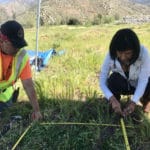 Based on the research results, an archaeological work plan may be developed in accordance with local, state, and/or federal guidelines. The APE is then surveyed. Subsurface testing may be required if there is dense vegetation covering the native soil, if there are alluvial contexts that may have buried archaeological deposits, or to define a site boundary to aid in project design and avoidance measures development. Subsurface testing may include Shovel Test Pits (STPs), geo-probes, or backhoe trenching. If subsurface testing is conducted, all soils are screened, and artifacts are collected. State site forms are completed, and National Register of Historic Places (NRHP) eligibility is determined. Native American tribes are consulted to ensure their knowledge and concerns are integrated into the inventory process. A report with the findings is then completed.
 Excavations are conducted to evaluate an archaeological site, assess the extent of project impacts, and/or determine the integrity of the site for NRHP eligibility. Native American tribes are consulted during this phase to evaluate the cultural importance and historical significance of the resources from their perspective. In addition, the archaeologist is required to prepare and submit an archaeological evaluation proposal detailing the project scope, the cultural resources involved, and the objectives of the excavation. The proposal should also include a research design, the proposed level of effort, the methods that will be used during fieldwork, laboratory processing, and technical analysis. Excavations may involve Shovel Test Pits (STPs) and the excavation of units to better define the site’s boundaries, soil stratigraphy, and artifact distribution. Any artifacts recovered would be processed in an archaeological laboratory. A technical report with the results of the excavation and analysis must be completed. If impacts to a significant site cannot be avoided and/or if sites are determined to be eligible for the NRHP by the State Historic Preservation Officer (SHPO), it may require mitigation of the effects of the proposed undertaking on the cultural resource. Mitigation can be accomplished through several means, including avoidance of the resources, establishment of protective boundaries, or if this not possible, a data recovery excavation.
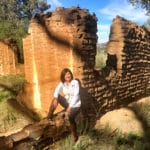 This process entails preparing a data recovery plan for review and approval by the lead agency. Recovery targets must be established, and detailed analytic methods must be included in the plan. Although the methods are like the evaluation excavations, data recovery excavations are typically large-scale excavations designed to recover the site data and artifacts prior to destruction by the proposed undertaking. This is labor intensive and requires a detailed sampling strategy. In addition, all artifacts recovered must be prepared for curation at an approved facility or reburial. Native American tribes are consulted throughout this phase to develop and execute treatment plans that respect and preserve their heritage and cultural values. Consultation with federal and state agencies is also common. Data recovery reports must be detailed and often focus on research which is designed to provide a better understanding of the archeological record. Public relations and outreach are often requirements in this phase.
Tribal Services
- THPO Application Preparation
- Native American Monitoring Training
- Monitoring Program Development
- Cultural Assessments
- Lithics Identification Workshops
- Oral Histories
- Regulatory Compliance and Enforcement Workshops
- Cultural Resource Ordinances Development
- Traditional Cultural Property (TCP) & Traditional Cultural Landscape (TCL) Inventory
Tribal Relation Services
Destiny Archaeology Consulting has extensive experience in cultural resource consulting, including preparation of cultural resource documents required under federal and state laws, such as Section 106 of the National Historic Preservation Act (NHPA), the National Environmental Policy Act (NEPA), and the California Environmental Quality Act (CEQA). As a result, Destiny Archaeology Consulting has a successful track record of providing high-quality services in furthering the dialogue between Native American communities, agencies, and project proponents for a variety of projects, such as residential and commercial development, roadways, and trails.
- Developing meaningful and constructive communication between Native American tribes, agencies, and project proponents
- Identifying culturally sensitive areas and landscapes, such as Traditional Cultural Properties (TCPs) and Traditional Cultural Resources (TCRs)
- Facilitating compliance with the Native American Graves Protection and Repatriation Act (NAGPRA)
- Facilitate tribal participation for project surveys, excavations, and monitoring.
- Archival and ethnohistoric research
- City, state, and national register eligibility evaluations and nominations
- Assessment of impacts/findings of effects
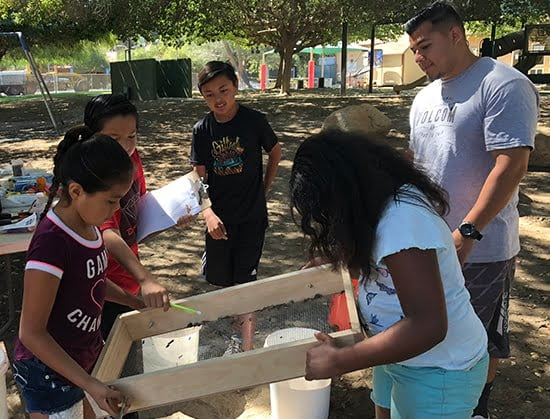
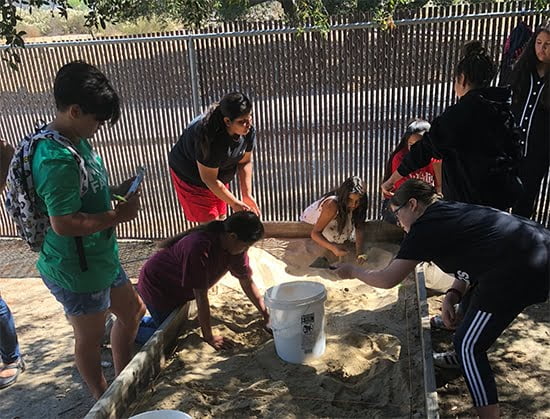
We believe in educating the next generation about the importance of cultural heritage. Destiny Archaeology Consulting offers engaging programs for kids designed to inspire curiosity and respect for the past.
Contact Us & Learn More!
Archaeological Monitoring
Our experienced indigenous archaeologists offer onsite monitoring services to oversee excavation and construction activities, ensuring that any cultural resources encountered are properly documented and preserved. This proactive approach helps prevent inadvertent damage to valuable heritage sites and facilitates timely decision-making to mitigate impacts. Furthermore, our team is adept at coming up with solutions to avoid or minimize impacts on cultural resources, allowing for a balance between development and preservation.
Other Archaeological Services
- CEQA (AB52 and SB18) / NEPA/ NHPA (Section 106) Compliance
- Memorandums of Understanding (MOU’s) & Memorandum of Agreement (MOA’s)
- Programmatic Agreements
- Cultural Resource Management Plans (CRMP)
- Documentation for Consultation
- Archeological Monitoring Training
- Lithic Analysis
- Ethnographic Studies
- Archaeological Services
Public Education and Involvement
- Destiny Archaeology Consulting is committed to promoting education and raising awareness regarding cultural heritage preservation. We offer engaging and informative presentations specifically designed for government centers, local municipalities, professional organizations, schools, tribal cultural centers, archaeological societies, and museums.
- Our programs and presentations provide a hands-on experience and a deeper understanding of archaeology, prehistoric technologies, and the importance of cultural resource preservation.
- For children grades 1-6, try our “Archaeology Rocks” program which includes an introduction to archeological techniques, tools of the trade, and a mock excavation. These hands-on experiences provide a fun and interactive way for kids to learn about prehistoric technologies and the importance of preserving cultural heritage.

 Small Business Website Design